





















Thought Leaders Circle
Your thought leadership shapes industry conversations, setting the standard in the television ecosystem.
Featured
















Your thought leadership shapes industry conversations, setting the standard in the television ecosystem.
Spectrum Reach’s Michael Guth on the value of reaching fans with a single buy across streaming and linear.
In the second of our Innovator Spotlight interviews from our new Special Report, “The State Of CTV Advertising”, we sat down with Magnite’s Matt McLeggon.
A proposed new measurement standard for buying and selling TV may be just what the industry needs to get back on track.
TripleLift’s Jason Bowman on the right way to nativage CTV trends to maximize your inventory yield,
In the first of our Innovator Spotlight interviews from our new Special Report, “The State Of CTV Advertising”, we sat down with TiVo Ads’ Craig Chinn.
Our newest report on CTV advertising shows you why it’s taken so long for dollars to follow eyeballs, and what we need to do to fix it.
TiVo Ads’ J.P. O’Keefe looks at the limitations of ACR and other measurement systems when it comes to local TV
Arthur Querou explains how Vibe’s new integration with Walmart Connect lets SMBs target CTV audiences who are buying what they’re selling.
Alex Kyle explains why proximity targeting is a smart response to restrictive new privacy laws.
In our latest Hot Takes article, TVREV TLC members share their thoughts on the hottest issues in CTV advertising.
Premion’s Blake Hebert breaks down key takeaways from their new Live Sports Streaming Playbook.
TripleLift’s Taylor Stewart on why commerce media finally gives advertisers a scalable way to connect CTV exposure to business outcomes.
The Trade Desk’s Alok Band asks why CTV advertisers keep wasting billions guessing who’s on the couch when smart TV operating systems already know.
Spectrum Reach’s Michael Guth breaks down their latest report to explain why MVPDs are in a prime position to meet CTV ad buyers’ needs.
A new deal between Chris Paul, Genius Sports and Words + Pictures will allow athletes to take their social audiences to the next level. But will it benefit rights holders and advertisers too?
V CEO Guy Edri explains why the time has come to relook at the way we think about all aspects of the TV experience.
Our latest video series, in partnership with Magnite, looks at three of the hottest issues in CTV today.
Tatari’s Dana Delle with a strong argument on why YouTube should be treated like TV and not relegated to the “digital media” bucket.
In this exclusive three-part video series, Wurl CEO Dave Bernath examines the current state of FAST, sharing his unique take on the key issues and how to solve them.
Premion’s Patrick Charland on how better data and better targeting are shaping the way campaigns will use TV advertising this year.
Comcast Advertising President, James Rooke lays out the path TV needs to take to prevail against social platforms
In our latest video series, Stingray’s David Purdy talks about Audio Ads on CTV, Retails Media and the state of the European FAST market.
In our latest Hot Takes feature we asked our Thought Leaders Circle members how they are dealing with media fragmentation. Their answers may surprise you.
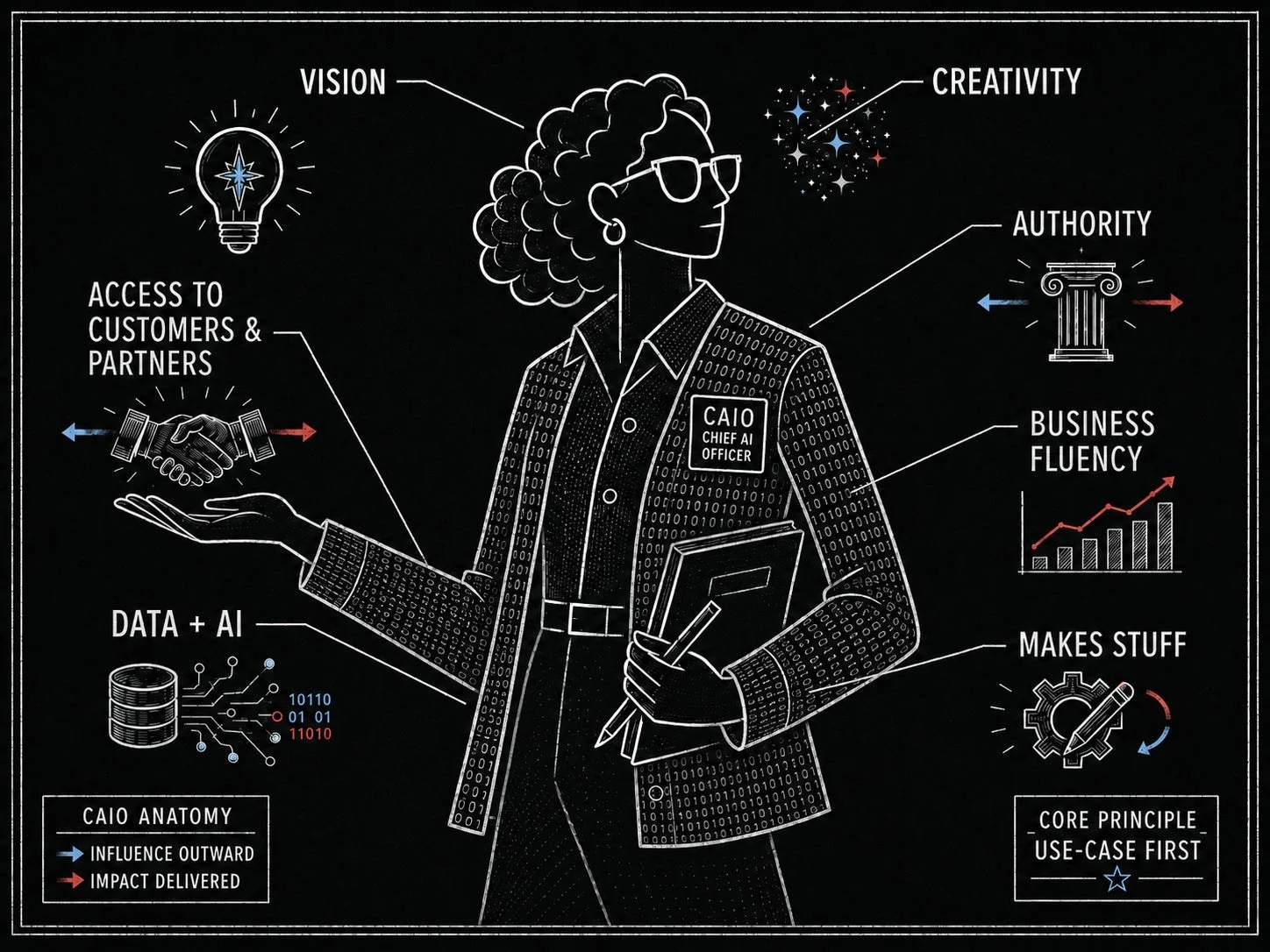
Justin Evans explains what it takes to make a good Chief AI Officer and why understanding data is so important to the role.
In this excerpt from our newest TVREV report, Alan Wolk lays out why the TV OS matters so much these days that we wrote a full-on report about it.
Alan Wolk sits down with Spectrum Reach’s Dan Callahan to discuss the state of the media industry and the problems caused by fragmentation.
In this latest Innovator Spotlight from our new report on the TV OS, WunderKIND Ads’ Adam Gendelman explains why advertisers and audiences love home screen ads.
From our new report on the TV OS, Ventura’s Rob Caruso on why a better ad experience makes for a better total viewing experience.
A new study from TVision reveals some big surprises about American’s YouTube viewing habits and whether YouTube really is “TV”.
In this Q&A, Brenker explains why BI decided to move from YouTube to FAST as a way to engage a broader audience.