



The Future Of Television. Dissected Daily.

NBC Brings Local Voices To National Baseball — And Changes The Game
NBC is taking a meaningful swing at the core idea of what a “national-meets-local” sports broadcast should look like — and, in the process, signaling where sports television may be headed next.

Nexstar Won Washington. Now Comes The Hard Part.
The combined Nexstar-TEGNA now has to prove that a vastly larger footprint can translate into sustainable economics in a shrinking linear TV ecosystem — without triggering backlash from regulators, distributors, or local markets.
Scale Vs. Survival: What The Nexstar-Tegna Mega-Merger Means For Local Media
This episode of In the Vicinity is all about Nexstar’s acquisition of Tegna. Now that the deal is officially closed, Tim Hanlon and Jim Wilson can dive headfirst into one of the most consequential developments in years.

Why FCC License Threats Over TV News Are Mostly Political Theater
The current administration’s political pressure against aimed at television journalism is real. But the regulatory system governing broadcast licenses has evolved in ways that make rapid, politically driven punishment extraordinarily difficult.
The Digital Divide: Can Local Media Finally Move Beyond Linear?
In this episode of In The Vicinity, local media veterans Tim Hanlon and Jim Wilson explore why the digital transition has proven so difficult—and what it will take for broadcasters to evolve from traditional stations into true multi-platform local media companies.
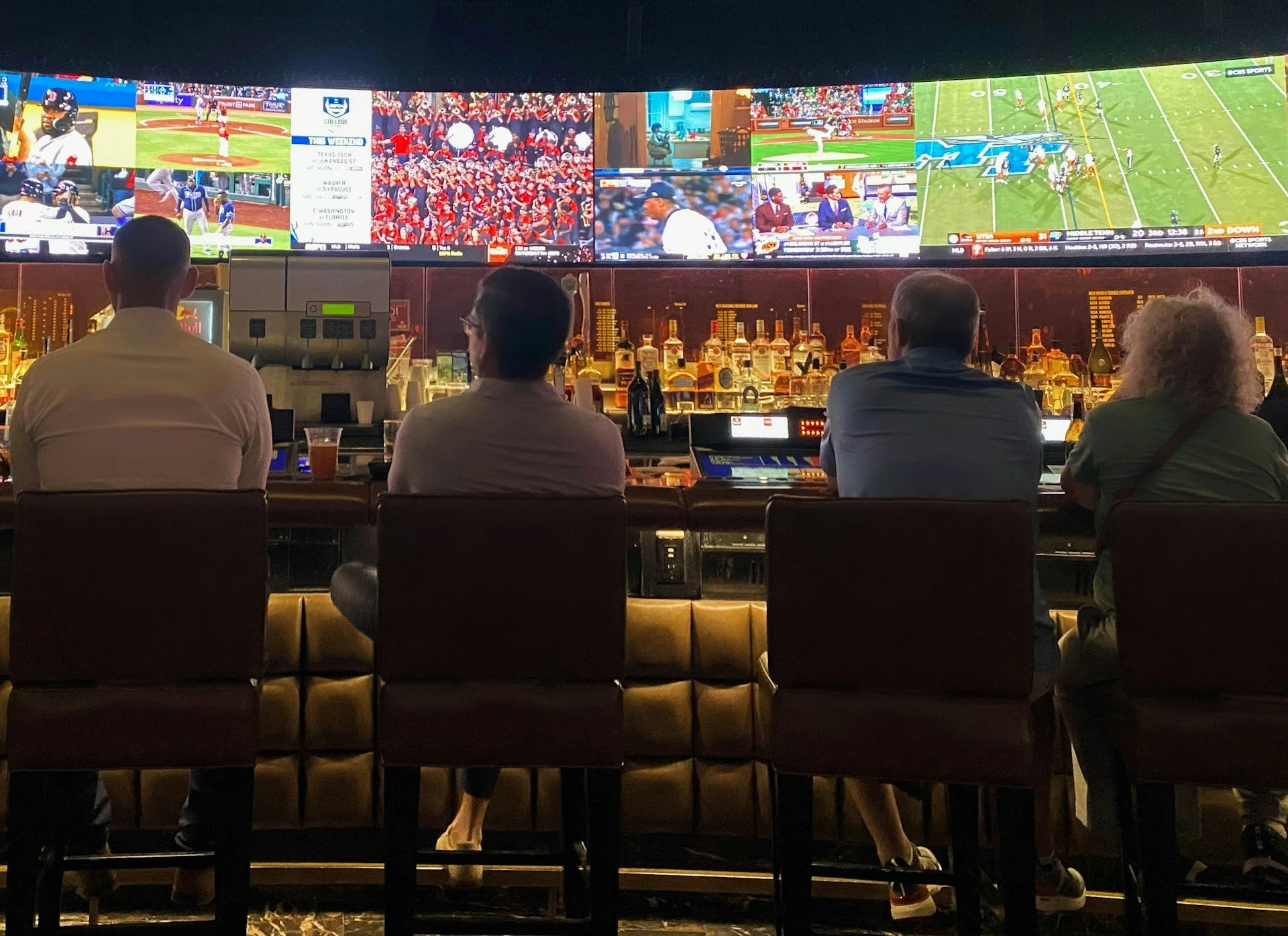
The End Of The RSN Era Has Begun — But Leagues Don’t Agree On What Comes Next
The recent surge of games returning to broadcast television may represent something closer to a transitional solution than a permanent one.
Some Assembly Required: Can Consolidation Actually Help Local Media?
In this episode of In The Vicinity, local media veterans Tim Hanlon and Jim Wilson have a candid conversation about the pros and cons of consolidation.

A Broadcast Ownership Exception — Or An Emerging De Facto Rule?
Is Indianapolis a narrow exception tailored to unique facts? Or is it an early indicator that triopolies — whether through ownership or ecosystem influence — are becoming normalized?

Is Digital Content The Key To Local Media's Future?
In the premiere episode of In the Vicinity, Vertere Group founder Tim Hanlon sits down with Madhive CEO Jim Wilson—former founder of Premion at Tegna, board chair of GSTV, and board member at Audacy—for a candid look at the future of local media.

The Future Of Local TV Programming May Look More Like A Podcast
Video podcasts will not reverse cord-cutting or restore the economics of peak syndication. But they may represent a pragmatic bridge between legacy linear TV and the conversational, multiplatform media environment that now defines viewer behavior.

TikTok’s Local Feed Arrives At A Fragile Moment For Local News
TikTok’s local turn could become a powerful distribution partner for revitalized journalism. Or it could further platformize and fragment an already stressed ecosystem.

Weigel Says The Quiet Part Out Loud
For much of the industry, the primary appeal of ATSC 3.0 is not better television. It is the ability to monetize broadcast spectrum for non-broadcast uses — even if that comes at the expense of free TV.
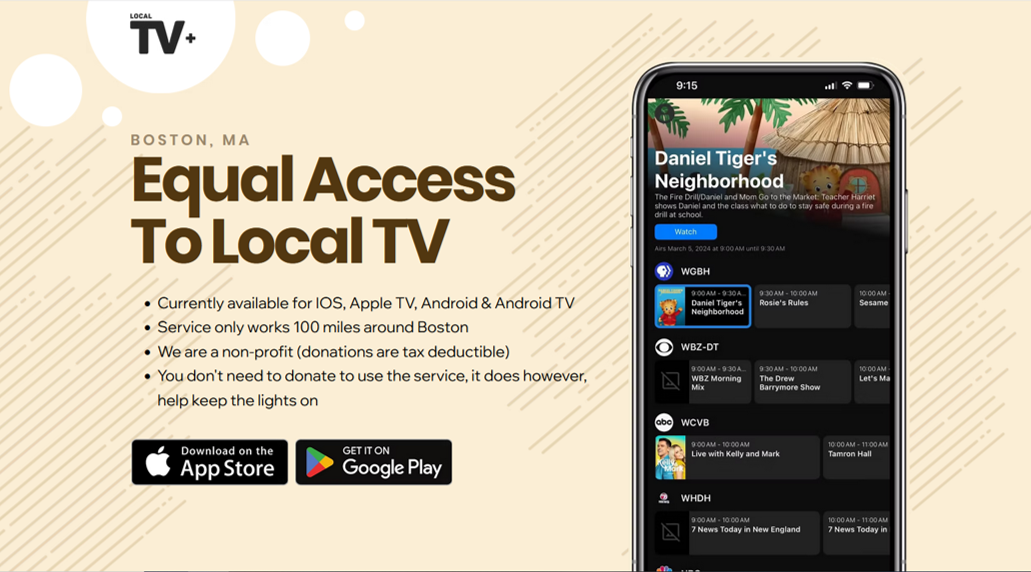
Free The Airwaves: Why Local TV Should Be Streamable For Everyone
Boston’s fledgling LocalTV+ is a reminder that the long-standing promise of free broadcast television is increasingly at odds with how Americans actually watch TV — and with how the law treats modern distribution.

The ATSC 3.0 Deadline Debate Exposes Broadcasting’s New Fault Lines
The sharp divide — between most large commercial station groups on one side and public broadcasters, multichannel pay-TV providers, and small station owners on the other — reveals a classic regulatory clash: who bears the cost of progress, and who stands to profit from it?

Eliminating The FCC (And Other Regulatory Fantasies)
Disbanding the FCC would not usher in a neutral, market-driven utopia. It would privatize governance, weaken accountability, and accelerate the erosion of already fragile media institutions.

The Quiet Death Of Public Broadcasting’s Backbone
CPB functioned as a national stabilizer — negotiating rights, sharing infrastructure, smoothing disparities between rich and poor markets. Without it, public media begins to resemble the very commercial ecosystem it was designed to counterbalance.

Can Local PBS Stations Go Independent? Can They Afford Not To?
Stations that once relied on PBS for national programming, interconnection infrastructure, and brand recognition now face three unattractive options: raise unprecedented levels of private funding, dramatically scale back operations, or reinvent themselves entirely.

The CW’s Next Act Could Be Its Strangest Yet
The CW risks becoming a network whose primary purpose is to serve the strategic and financial interests of its parent companies — not the needs of viewers, creators, or its local affiliates.

Network O&Os Are From Venus; Affiliates Are From Mars
The distinction between owned-and-operated stations (O&Os) and network affiliates has never been more consequential — and with the FCC signaling openness to loosening ownership rules, it may soon determine which stations thrive and which struggle.

A Sinclair-Scripps Deal Reality Check
Any implied or proposed Sinclair–Scripps merger runs headlong into the realities of the regulatory framework that exists today.